The Architecture of Alimentary Solace: The Psychology Behind Comfort Food Choices
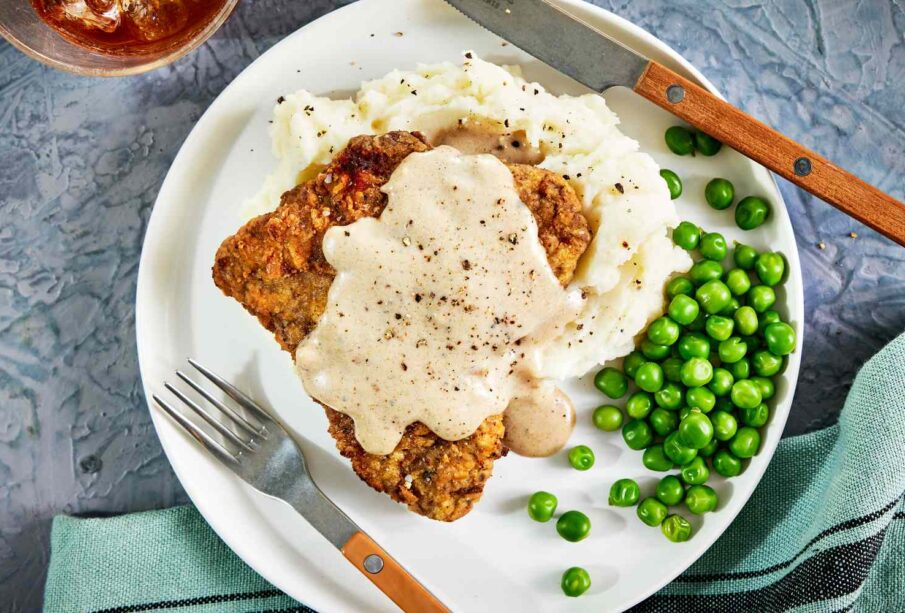
We have all experienced a day that leaves us feeling emotionally drained, physically exhausted, or profoundly disconnected. In these moments of vulnerability, our cravings rarely drive us toward a crisp garden salad or a steamed breast of chicken. Instead, our minds fixate on highly specific, texturally rich, and thermally warm foods. We reach for a bowl of creamy macaroni and cheese, a slice of deeply layered chocolate cake, or a steaming ladle of chicken noodle soup.
This universal human inclination is not merely an indicator of a lack of dietary discipline or a simple physical hunger pang. Rather, it represents a sophisticated, deeply embedded intersection of evolutionary biology, neurochemical signaling, cultural imprinting, and relational psychology. When we consume what society defines as comfort food, we are participating in a complex subconscious ritual. We are utilizing specific nutritional profiles to regulate our emotional states, manipulate our brain chemistry, and temporarily resurrect feelings of safety, love, and belonging.
The Neurological Blueprint: How Fat and Sugar Sedate the Brain
To understand the immense pull of comfort food, we must first look at the primal programming of the human brain. Throughout the vast majority of human evolutionary history, food was scarce, and starvation was an omnipresent threat to survival. To ensure the continuation of the species, the human brain developed an exceptionally powerful reward pathway designed to incentivize the consumption of calorie-dense substances.
When we consume foods that are rich in simple carbohydrates, refined sugars, and saturated fats, our taste buds send immediate, high-priority signals to the brainstem and the limbic system. The brain responds by releasing a massive wave of dopamine, the neurotransmitter responsible for pleasure, motivation, and reinforcement learning. This dopamine surge creates an immediate sensation of euphoria and satisfaction. It is the exact same neurological pathway that is activated by addictive substances, which explains why resisting a comfort food craving during times of distress can feel almost physically impossible.
Beyond dopamine, carbohydrate consumption alters our internal neurochemistry through a specific mechanism involving the amino acid tryptophan:
-
Insulin Secretion: When you ingest simple carbohydrates, your pancreas releases insulin to manage the sudden influx of glucose in your bloodstream.
-
Amino Acid Clearance: Insulin prompts your muscles to absorb various competing amino acids out of the blood, leaving tryptophan behind.
-
Blood-Brain Barrier Crossings: With the competition removed, tryptophan can easily cross the blood-brain barrier into the central nervous system.
-
Serotonin Synthesis: Once inside the brain, tryptophan is rapidly converted into serotonin, our primary neurotransmitter for mood stabilization, emotional well-being, and tranquility.
Therefore, eating a bowl of pasta or a sugary pastry acts as a form of rapid self-medication. When stress or sadness depletes our baseline serotonin levels, our biology subconsciously drives us toward the precise macronutrient profiles that will mechanically force our serotonin production to spike, bringing a swift sense of emotional relief.
The Relational Anchor: Nostalgia and the Social Surrogate Hypothesis
While biochemistry explains why we crave fats and sugars in general, it fails to explain why one person reaches for mashed potatoes while another desperately desires spicy ramen or a specific brand of potato chips. The individualization of comfort food choices is governed by memory and relational psychology.
Psychologists have long established that our earliest experiences with food are deeply intertwined with social connection, parental care, and emotional security. In childhood, sweet foods or warm meals are frequently used as rewards, celebratory centerpieces, or tokens of parental consolation when we are sick or injured. Over time, the brain establishes an unbreakable associative bond between the sensory attributes of those specific meals—their smell, texture, and taste—and the psychological feeling of being unconditionally loved, protected, and safe.
This phenomenon forms the basis of the social surrogate hypothesis. When an adult experiences loneliness, social rejection, or interpersonal conflict, their sense of relational security is threatened. This psychological threat causes genuine emotional distress.
To cope, the subconscious mind utilizes comfort food as a proxy for human connection. Eating a meal that was once prepared by a caregiver or shared during happy family gatherings allows the individual to tap into the positive emotional architecture associated with those memories. The food acts as a temporary psychological bridge to the past, reminding the individual of a time when they were cared for, thereby alleviating the immediate pain of isolation.
The Stress Response: Cortisol and Executive Function Exhaustion
Modern chronic stress places an immense, continuous burden on our cognitive resources. When we are caught in a cycle of worry regarding career security, financial pressures, or personal relationships, our adrenal glands continuously secrete the stress hormone cortisol into our system.
Cortisol has a direct, documented impact on our nutritional appetite. It actively downregulates our body’s sensitivity to leptin, the hormone responsible for signaling satiety, while simultaneously amplifying our sensitivity to ghrelin, the hunger hormone. Furthermore, chronic high levels of cortisol specifically drive the brain to seek out energy-dense foods. From an evolutionary perspective, this makes complete sense: if your body believes it is facing a prolonged crisis or a threat to survival, it wants to store as much dense energy and visceral fat as possible to withstand the perceived hardship.
Simultaneously, prolonged emotional stress causes cognitive fatigue, specifically exhausting the prefrontal cortex. The prefrontal cortex is the home of our executive functioning, which governs impulse control, rational decision-making, long-term planning, and emotional regulation.
When you spend your entire working day navigating complex challenges, suppressing frustrations, and making difficult choices, your prefrontal cortex burns through its available energy reserves. By the time you return home, your capacity for willpower is depleted. When faced with a choice between a meal requiring complex physical preparation and logical portion control, and a ready-to-consume comfort food that promises an instant biochemical reward, an exhausted brain will almost always default to the path of least resistance.
Textural and Thermal Soothing: The Sensory Experience of Comfort
The psychology of comfort food extends far beyond taste and internal chemistry; it is heavily influenced by the tactile and thermal properties of the items we consume. The physical sensations of eating perform a vital role in grounding an over-stimulated nervous system.
Consider the preference for warm foods during periods of emotional distress. Warmth is inherently associated with safety, nesting, and maternal care. Consuming a hot liquid or a warm, dense food physically elevates our internal core temperature slightly, which induces a mild, sedative-like relaxation effect on our skeletal muscles. This physical warmth acts as a somatic counterbalance to the cold, visceral tightness that often accompanies anxiety or grief.
Texture is equally diagnostic. Comfort foods typically fall into two distinct sensory categories, each corresponding to a different psychological state:
-
The Soft and Creamy: Textures like ice cream, pudding, mashed potatoes, and soups require minimal mastication. They are smooth, non-threatening, and highly reminiscent of infantile or early childhood nutrition. These textures provide a soothing, low-friction sensory experience that helps quiet a hyper-vigilant mind.
-
The Crunchy and Salty: Textures like potato chips, pretzels, or fried foods require active, aggressive chewing. The act of forceful mastication allows individuals to physically channel and expend trapped aggressive energy, tension, and frustration in a safe, socially acceptable manner.
By understanding these sensory mechanisms, we can see that our comfort food choices are not random. The body selects specific physical textures and temperatures to actively counteract the precise somatic expressions of our emotional suffering.
Shifting from Maladaptive Coping to Conscious Integration
Using food to regulate emotion is a normal, deeply human behavior that only becomes problematic when it develops into a maladaptive, exclusive coping mechanism. When emotional eating completely replaces genuine interpersonal connection, emotional processing, and physical rest, it can lead to a destructive cycle of weight gain, metabolic dysfunction, systemic inflammation, and subsequent psychological guilt.
The objective of psychological awareness is not to eradicate the consumption of comfort food entirely, as doing so strips life of a profound source of sensory and cultural joy. Instead, the goal is to shift from reactive, unconscious binging to mindful, intentional integration.
When you recognize that a powerful craving for chocolate or savory stews is actually a signal that your mind is lonely, stressed, or seeking safety, you can honor that need consciously. By slowing down, appreciating the memory attached to the dish, and consuming it with absolute awareness rather than distraction, you can fully harvest the psychological and biochemical benefits of the meal with a fraction of the total volume, preserving both your emotional peace and your physical vitality.
Frequently Asked Questions
Why do women tend to crave sweet comfort foods while men often prefer savory ones?
Gender differences in comfort food preferences are heavily driven by cultural socialization and distinct conditioning rather than purely fixed biology. Studies show that men often associate comfort food with heavy, savory, meat-based meals like steaks, stews, or burgers because these dishes evoke feelings of strength, provision, and being catered to or pampered. Conversely, women frequently associate comfort food with sweet, snack-like items like chocolate or ice cream because these foods are often culturally marketed as personal indulgences, rewards, or tools for emotional solace during periods of hormonal or domestic stress.
Can a food become a comfort food if you only encountered it for the first time as an adult?
Yes. While early childhood experiences form the strongest foundational anchors, neuroplasticity allows adults to forge new comfort food associations throughout life. If you experience a highly positive emotional breakthrough, find comfort during a difficult time, or form a deep romantic bond while routinely consuming a specific type of cuisine in adulthood, your brain will build an associative network around that new sensory data. Over time, that adult-acquired meal will develop the exact same capacity to trigger dopamine and evoke feelings of safety as your childhood favorites.
How does the concept of comfort food vary across different global cultures?
The baseline physiological drive for fats and carbohydrates remains identical worldwide, but the specific culinary expressions are entirely dictated by local culture and geography. In the United States, comfort food often manifests as fried chicken, biscuits, or apple pie. In Japan, an individual might crave a warm bowl of miso soup or okayu (rice porridge). In West Africa, it might be jollof rice or pounded yam. The common denominator across all cultures is not the specific ingredient checklist, but rather that the dish represents traditional heritage, home cooking, and simplicity.
Why do we sometimes feel intense guilt immediately after consuming comfort food?
The guilt associated with comfort food is a modern psychological construct born from societal diet culture and internalized moral judgments around nutrition. When we categorize foods using absolute labels like good or bad, consuming a bad food causes us to internalize that judgment, feeling like we have failed. This guilt triggers a secondary stress response, elevating cortisol levels once again and paradoxically re-initiating the exact same chemical craving loop that started the emotional eating cycle in the first place.
Is it possible to intentionally reprogram your brain to view healthy foods as comfort foods?
You can train your brain to associate healthy foods with positive states, but it requires conscious emotional scaffolding. If you eat salads while feeling intensely deprived, stressed, or resentful, your brain will lock in a negative association. However, if you systematically prepare nutrient-dense meals during periods of genuine joy, social connection, and personal peace, and deliberately focus on how clean nutrition improves your physical energy and clarity, your brain will eventually build positive associative networks around those items, turning them into a source of genuine mental comfort.
How does the phenomenon of emotional eating differ from genuine physiological hunger?
Physiological hunger develops gradually over hours, originates in the physical stomach, is flexible regarding what options will satisfy it, and stops naturally once the stomach is physically full. Emotional hunger, which drives comfort food binging, hits instantly like a psychological wave, originates entirely in the mind, demands a highly specific food item with zero substitution allowance, and often persists long after the stomach is uncomfortably full because the underlying emotional void or stress loop remains completely unaddressed.
Why do we crave cold comfort foods like ice cream when we are feeling sad or angry?
Cold comfort foods like ice cream offer a powerful combination of rapid neurochemical satisfaction and direct sensory distraction. The high concentration of sugar and fat triggers an immediate dopamine release to counter negative emotions. Simultaneously, the intense cold temperature provides an abrupt, numbing sensory contrast inside the mouth. This sudden temperature shift breaks the cognitive monotony of a spinning, anxious mind, acting as a somatic grounding mechanism that briefly takes your attention away from internal psychological pain.