The Confectionary Evolution: Flavor Infusion Trends Transforming Classic Cakes
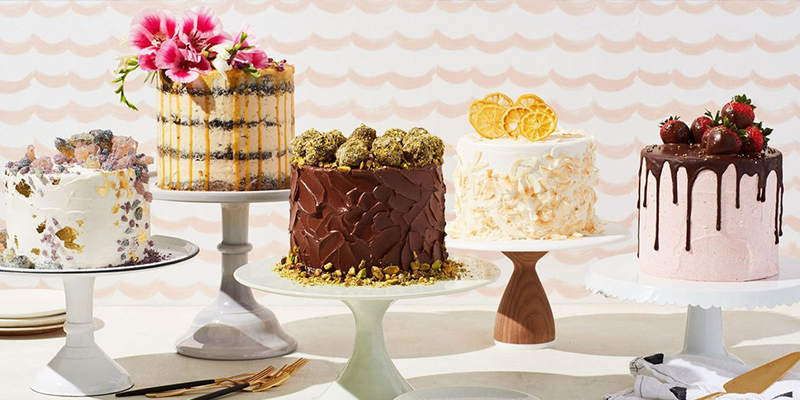
For generations, the paradigm of celebratory baking was defined by an uncomplicated hierarchy of sweetness. Vanilla, chocolate, and standard fruit jams formed the unyielding foundation of the dessert menu. These flavors served their purpose well, offering predictable, crowd-pleasing profiles for birthdays, weddings, and anniversaries. However, the modern dessert landscape is undergoing a profound structural shift. Today’s consumers are exhibiting sophisticated palates that reject one-dimensional sweetness in favor of complexity, contrast, and culinary adventure.
This sensory awakening has launched an era of flavor infusion. Bakers and pastry chefs are no longer treating cake as a simple vessel for sugary buttercream. Instead, they are applying advanced culinary techniques to weave unexpected elements directly into the structural fabric of the cake. By introducing botanical distillates, complex savory ingredients, multi-layered citrus extractions, and global tea varieties, the baking industry is transforming classic sponges into dynamic, multi-dimensional gastronomic experiences.
The Botanical Awakening: Earthy Blooms and Herbal Dynamics
One of the most prominent movements reshaping the pastry arts is the deliberate introduction of botanical and herbal elements into sweet batters and creams. Historically confined to the beverage industry or natural remedies, flowers and herbs are being utilized to temper the aggressive sweetness of traditional frostings, adding a sophisticated top-note aroma that engages the olfactory system before the first bite is even swallowed.
The integration of lavender, elderflower, and hibiscus requires precise chemical calibration. When used carelessly, floral extracts can easily overpower a dessert, creating a soapy, unpalatable finish. To prevent this, pastry chefs rely on fat-soluble steeping techniques. Culinary lavender, for example, is infused directly into warm heavy cream or melted butter, allowing the fat molecules to capture the delicate, calming essential oils while filtering out the bitter, fibrous plant tissue. This lavender-infused cream is then whipped into a white chocolate namelaka or a Swiss meringue buttercream, yielding a subtle, herbal undertone that pairs magnificently with a classic vanilla bean sponge or a tart lemon curd filling.
Similarly, hibiscus is driving an aesthetic and acidic transformation in cake design. Known for its intense cranberry-like tartness and vibrant magenta pigmentation, dried hibiscus flowers are boiled down into concentrated simple syrups. These syrups are systematically brushed over freshly baked sponge layers, a technique known as cake soaking. This process does more than introduce moisture; it injects a sharp, refreshing acidity that cuts through the dense fat profiles of European buttercreams, ensuring that each bite cleanses the palate rather than fatiguing it.
Herbs like thyme, rosemary, and basil are also breaking out of the savory kitchen. A lemon pound cake is elevated by folding micro-minced fresh thyme leaves into the batter. The piney, subtly earthy notes of the thyme act as a grounding counterweight to the sharp, volatile oils of the lemon zest, proving that green, garden-fresh notes have a rightful place at the center of the dessert plate.
The Umami Convergence: Embracing Savory and Fermented Elements
As the boundaries between sweet and savory continue to blur, the concept of umami has emerged as a powerful tool for modern bakers. Umami, the savory taste sensation typically associated with glutamate-rich foods like aged cheeses and broths, is being strategically introduced to add an addictive, mouth-watering depth to classic cake recipes.
The primary vehicle for this savory evolution is miso, a traditional Japanese paste made from fermented soybeans, salt, and koji. When folded into warm sugar matrices, miso creates a profound alternative to standard salted caramel. While sea salt merely provides a sharp contrast to sugar, miso introduces a rich, salty, slightly funky complexity born from months of microbial fermentation. A banana cake layered with banana compote and a dense miso caramel buttercream offers a deeply satisfying flavor profile that satisfies both sugar cravings and savory appetites, completely eliminating the cloying sweetness that often plagues traditional caramel desserts.
Brown butter, or beurre noisette, represents another essential layer in the savory-sweet movement. By heating unsalted butter until the milk solids separate and toast at the bottom of the pan, bakers trigger the Maillard reaction. This chemical process generates a kaleidoscope of nutty, deeply caramelized aromatic compounds. Substituting standard creamed butter with cooled brown butter in a traditional yellow cake or a chocolate fudge recipe infuses the entire crumb with an rich flavor depth that standard fat profiles cannot replicate.
Further expanding this trend is the growing usage of black sesame and tahini. Black sesame paste provides a striking slate-grey color profile alongside a deep, roasty, almost peanut-butter-like intensity. When paired with honey buttercreams or wrapped inside a dark chocolate ganache layer, these oilseed pastes introduce a pleasantly bitter, toasted element that appeals strongly to adult demographics seeking mature dessert options.
The Citrus Revolution: Beyond the Standard Lemon
Citrus has always been valued in baking for its ability to provide brightness and balance. However, contemporary flavor infusion is moving far past the standard supermarket lemon and orange, embracing exotic, hyper-aromatic fruits that introduce intricate layers of perfume and acidity.
The undisputed monarch of this citrus revolution is yuzu, a hybrid East Asian fruit that tastes like a complex intersection of mandarin orange, wild grapefruit, and lime, wrapped in a distinct floral aroma. Because raw yuzu juice carries an aggressive, sharp acidity, it is rarely used in isolation. Instead, pastry chefs incorporate yuzu juice and dehydrated zest into white chocolate mousses or light yogurt-based fillings. The natural milk fats and sugars in the dairy coat the tongue, slowing down the perception of the fruit’s acidity and allowing the beautiful, floral notes of the yuzu to bloom gradually across the palate.
Passion fruit is executing a similar takeover, particularly when paired with rich, earthy nut profiles like pistachio. The sharp, tropical snap of a passion fruit curd inserted into the center of a dense pistachio sponge creates a sensory juxtaposition. The heavy, unctuous fats of the roasted pistachio nuts are instantly sliced open by the intensely acidic, tropical notes of the passion fruit, resulting in an airy, uplifting tasting experience that feels premium and light.
Steeped Sophistication: Infusing the Essence of Global Teas
The practice of enjoying tea alongside a slice of cake is a time-honored tradition. Today, bakers are eliminating the middleman by infusing the tea leaves directly into the internal components of the cake itself. This trend introduces deep, woody, smoky, and astringent notes that provide a brilliant structural framework for layered desserts.
Matcha, the finely ground powder of specially grown and processed green tea leaves, has officially transitioned from a niche regional ingredient to a mainstream baking staple. Matcha presents a unique challenge because high-quality ceremonial or culinary grades carry a distinct, vegetal bitterness. To harness this characteristic without alienating the consumer, bakers pair matcha sponges with intensely sweet, creamy mediums like fresh strawberry compotes, white chocolate ganaches, or vanilla bean chantilly creams. The clean, slightly bitter finish of the green tea balances the sugary properties of the fruit and chocolate, resulting in a clean aftertaste.
For lovers of black tea, Earl Grey is driving a major renaissance in cake soaking and syrup infusions. Earl Grey is distinct because the black tea leaves are cured with the essential oil of the bergamot orange, a fragrant citrus fruit. When Earl Grey tea is steeped heavily into milk or simple syrups and integrated into a chiffon cake, it yields a multi-layered experience: the deep, tannic structure of the black tea anchors the base, while the bright, volatile bergamot oils mirror the citrus notes in the accompanying frostings or fruit fillings, establishing a flawless sensory bridge across the entire dessert.
Frequently Asked Questions
How do I prevent floral ingredients like lavender from making my cake taste like soap?
The soapy taste associated with floral infusions is a direct result of over-extraction or using excessive quantities of the plant material. Flowers contain highly concentrated essential oils that must be treated with restraint. The most reliable method to ensure a delicate, professional balance is to avoid adding raw petals directly to the batter. Instead, steep a measured, conservative amount of culinary-grade dried flowers into your warm liquid fats (such as milk, cream, or butter) for no more than ten to fifteen minutes, then strain out the solids completely before incorporating the fat into your recipe.
What is the difference between standard butter and brown butter in terms of cake texture?
While brown butter adds an unparalleled nutty flavor depth, the process of browning evaporates the natural water content found in standard butter, which typically hovers around sixteen to eighteen percent. If you substitute brown butter directly into a cake recipe without adjusting for this moisture loss, the resulting crumb can turn out overly dense, greasy, or dry. To preserve the intended structural texture of the sponge, you must add a tablespoon or two of compensatory liquid, such as milk or water, back into the recipe to replace the volume lost during the heating process.
Can I use regular grocery store matcha for baking, or do I need a specific grade?
For successful cake infusion, you should utilize high-quality culinary grade or barista grade matcha. Avoid using ultra-expensive ceremonial grade matcha, as its delicate nuances will be entirely masked by the oven’s heat and the presence of sugar, flour, and eggs. Conversely, avoid cheap, low-grade green tea powders, which often possess a dull, brownish-green color and an aggressively bitter, muddy flavor profile that will negatively impact both the aesthetic hue and the taste of your final bake.
Why is miso caramel considered superior to standard salted caramel by modern pastry chefs?
While standard salted caramel relies on a simple two-dimensional contrast between white sugar and sodium chloride, miso caramel introduces a three-dimensional flavor experience. Miso is a live, fermented product containing deep umami compounds, amino acids, and complex lactic acids. When combined with caramelized sugar, it doesn’t just cut the sweetness; it layers the sauce with a rich, savory, toasted depth and a rounded mouthfeel that lingers far longer and more pleasantly on the palate.
How do I incorporate yuzu into a cake if I cannot find the fresh fruit locally?
Fresh yuzu fruits are notoriously difficult to harvest and find outside of East Asia due to agricultural regulations and limited growth zones. Fortunately, high-quality, one hundred percent pure yuzu juice is widely available in specialty Asian grocery stores and gourmet culinary supply shops. Because the juice is incredibly potent, you can premiumize your standard lemon cake recipes by replacing a small fraction of the fresh lemon juice or lemon extract with a few drops of the imported yuzu juice to easily capture its signature floral-citrus profile.
What types of cakes benefit the most from tea-steeping methods?
Light, airy, and porous sponge cakes—such as chiffon cakes, angel food cakes, and traditional European genoise sponges—benefit the most from tea infusions. Because these specific cake styles possess a low fat profile and a highly absorbent, open-cell crumb structure, they act like a dry sponge. When brushed with concentrated tea-infused simple syrups or Earl Grey milk washes, they readily pull the liquid deep into their core, locking in both essential moisture and intricate flavor notes without becoming soggy.